VìRIDIS is a PEI-AGRI Operational Group led by the Enrico Crola Winery, co-funded by the Piedmont Region as part of the 2023–2027 Rural Development Complement (CSR), which brings together ten partners from Upper Piedmont: the wineries Società Agricola Semplice Platinetti Guido, Tenute Vercellino s.a.s., and Torraccia del Piantavigna di Francoli F.lli S.r.l.; the Nebbiolo Alto Piemonte Protection Consortium; DESAM Ingegneria e Ambiente S.r.l. (scientific coordinator); ANT-NET S.r.l., Anadiag Italia S.r.l., Studio Vassallo S.r.l., and xFarm Technologies Italia S.r.l., which contributes agrometeorological stations, decision support systems (DSS), and training via xFarm Academy . The synergy between wineries, the consortium, universities, and technology companies makes it possible to develop concrete and transferable solutions, strengthening the link between research and its application in the vineyard.
In a context marked by climate change, increasing pressure from adverse conditions, and the need to reduce the use of chemical inputs, viticulture, too, is called upon to actively contribute by adopting innovative practices and technologies that protect soil fertility, promote carbon sequestration, and increase biodiversity, while ensuring the quality and competitiveness of production. The VìRIDIS project aims to develop a model of regenerative viticulture for wineries in Upper Piedmont, combining environmental, technical, economic, and regional objectives.
The project activities are organized into six Work Packages: i) WP1 – Coordination and monitoring of the Operational Group; ii) WP2 – Initial analysis and assessment, including the establishment of a baseline for soil, resources, carbon and water footprints, and biodiversity; iii) WP3 – Practical regenerative approach, including the definition of best practices in the vineyard and the Vineyard Performance Index (IPV); iv) WP4 – Low-impact techniques, involving the use of sensors, weather stations, and DSS, with field validation through field labs; v) WP5 – Monitoring and improvement, including the measurement of results and the drafting of the Regenerative Plan 2.0; vi) WP6 – Dissemination, via a website, videos, workshops, a conference, and sustainability reports. The practices—cover crops, green manure, organic fertilization, and conservation tillage—are being tested on four pilot farms.
The main expected outcomes are a reduction in the use of pesticides and synthetic fertilizers, the measurement of benefits using three environmental indicators (carbon footprint, water footprint, and biodiversity indices), the development of the IPV—an index based on six parameters: pest control, fertilization, organic matter, soil tillage, biodiversity, and economic performance—and the creation of a model that can be extended to the Consortium’s 117 member farms, covering 574 hectares and ten appellations.
Upper Piedmont—comprising the provinces of Biella, Vercelli, Novara, and Verbano-Cusio-Ossola, parts of which are included in the Sesia Val Grande UNESCO Global Geopark—is home to a prestigious wine-growing tradition centered on Nebbiolo (Spanna), Vespolina, Croatina, and Uva Rara, making it an ideal setting for experimenting with and consolidating approaches that integrate productivity, sustainability, and resilience.
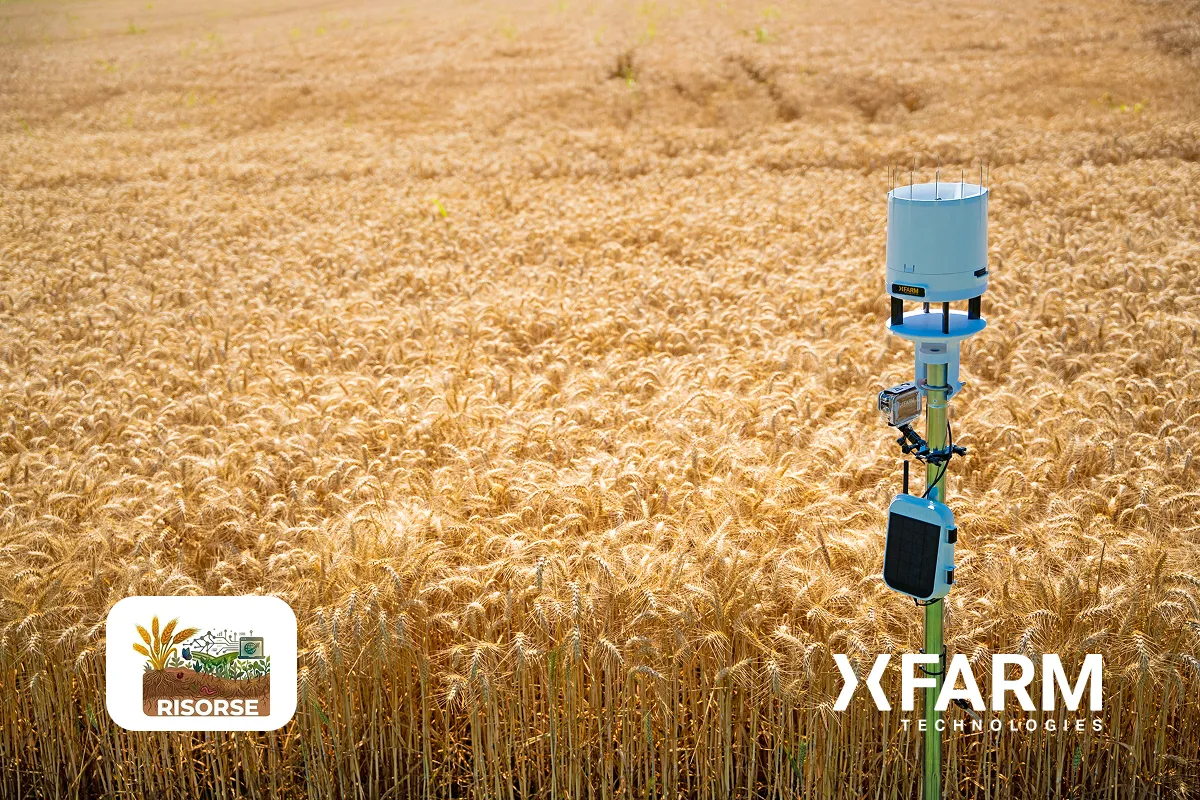
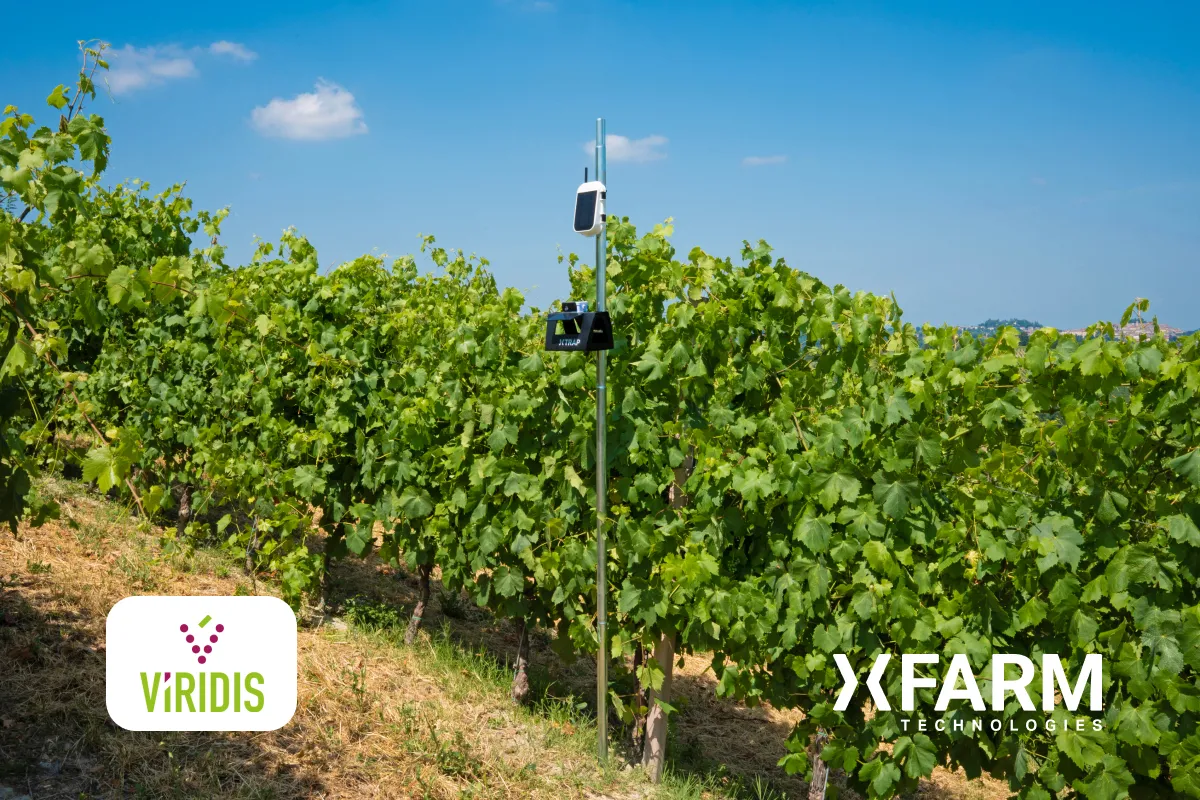
xFarm Technologies, the Operational Group’s technical and scientific partner, provides its digital agriculture platform, agrometeorological stations, and decision support systems (DSS) for real-time monitoring of the pilot vineyards, contributing to the implementation of low-impact techniques and the training of operators.
DURATION: 36 months (2025–2028)
PROGRAM: SRG01 Initiative – Support for PEI-AGRI Operational Groups – Piedmont Region’s Rural Development Complement (CSR) 2023–2027 – Call for Proposals SRG01/1/2024. Project co-financed by the European Union – EAFRD.
Useful links: